


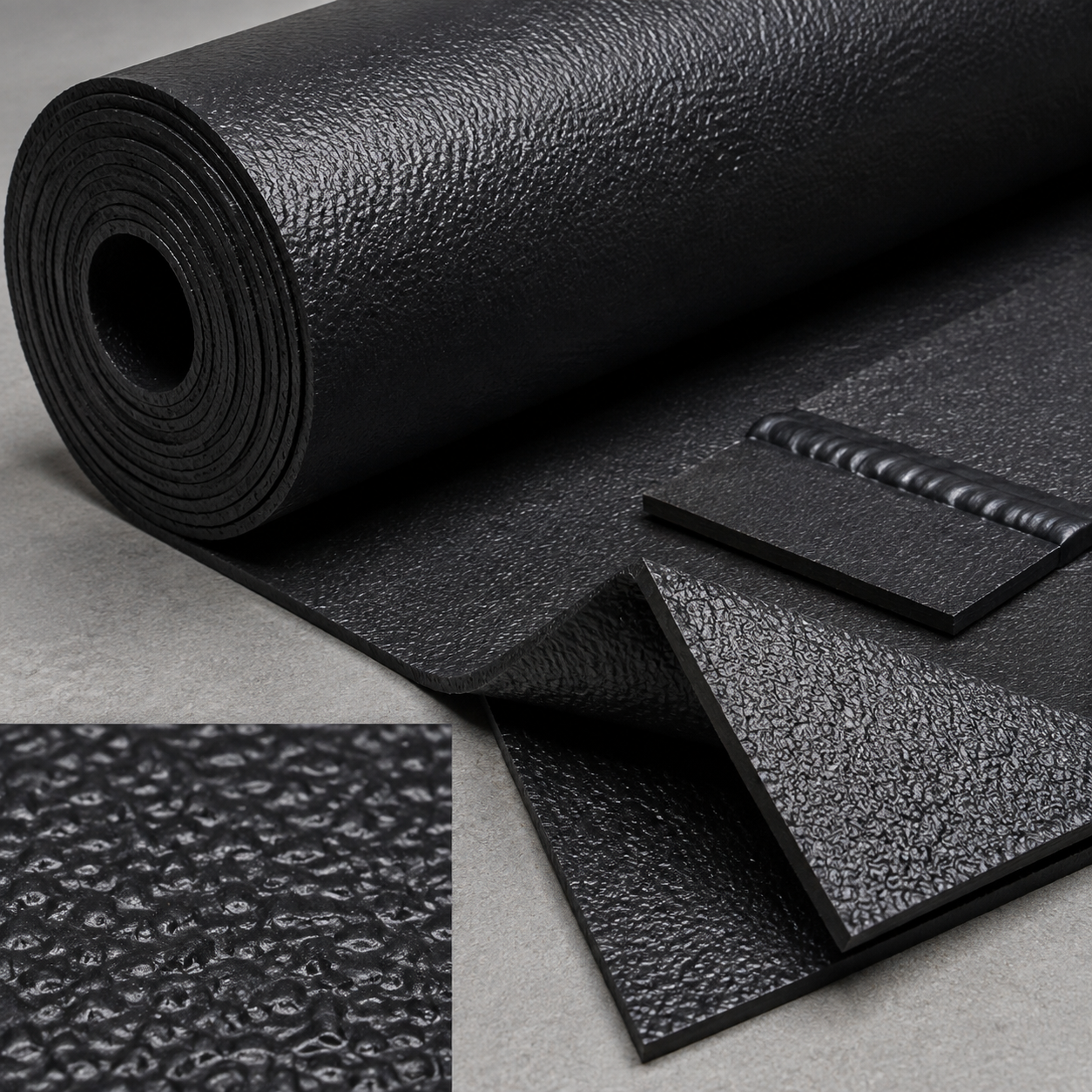
Slopes
Textured HDPE geomembrane 1.5 mm
Textured finish on both sides to increase the friction angle with supporting soil on steep slopes.

Containment and waterproofing
Polyethylene sheets for primary containment in ponds, impoundments, leach pads, landfills, and reservoirs.
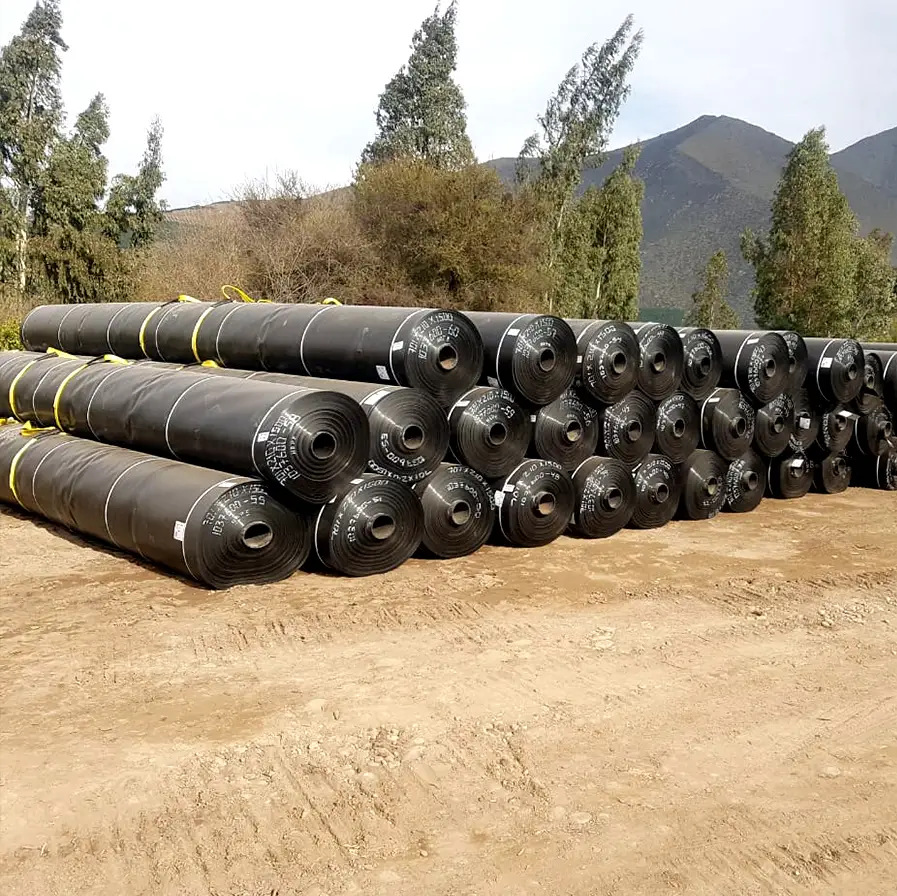
Material, thickness, and finish are defined according to the containment system
HDPE and LLDPE geomembranes form the primary impermeable barrier in containment systems. Selection must respond to the fluid, geometry, supporting surface, exposure, and loads the sheet will experience during installation and service life.
Polymer, thickness, and surface finish are not assessed in isolation. Welded seams, anchors, penetrations, mechanical protection, and drainage layers completing the system must also be coordinated.
Review each data sheet for properties, formats, and application criteria. Availability and configuration are confirmed for each project.
Slopes
Textured finish on both sides to increase the friction angle with supporting soil on steep slopes.
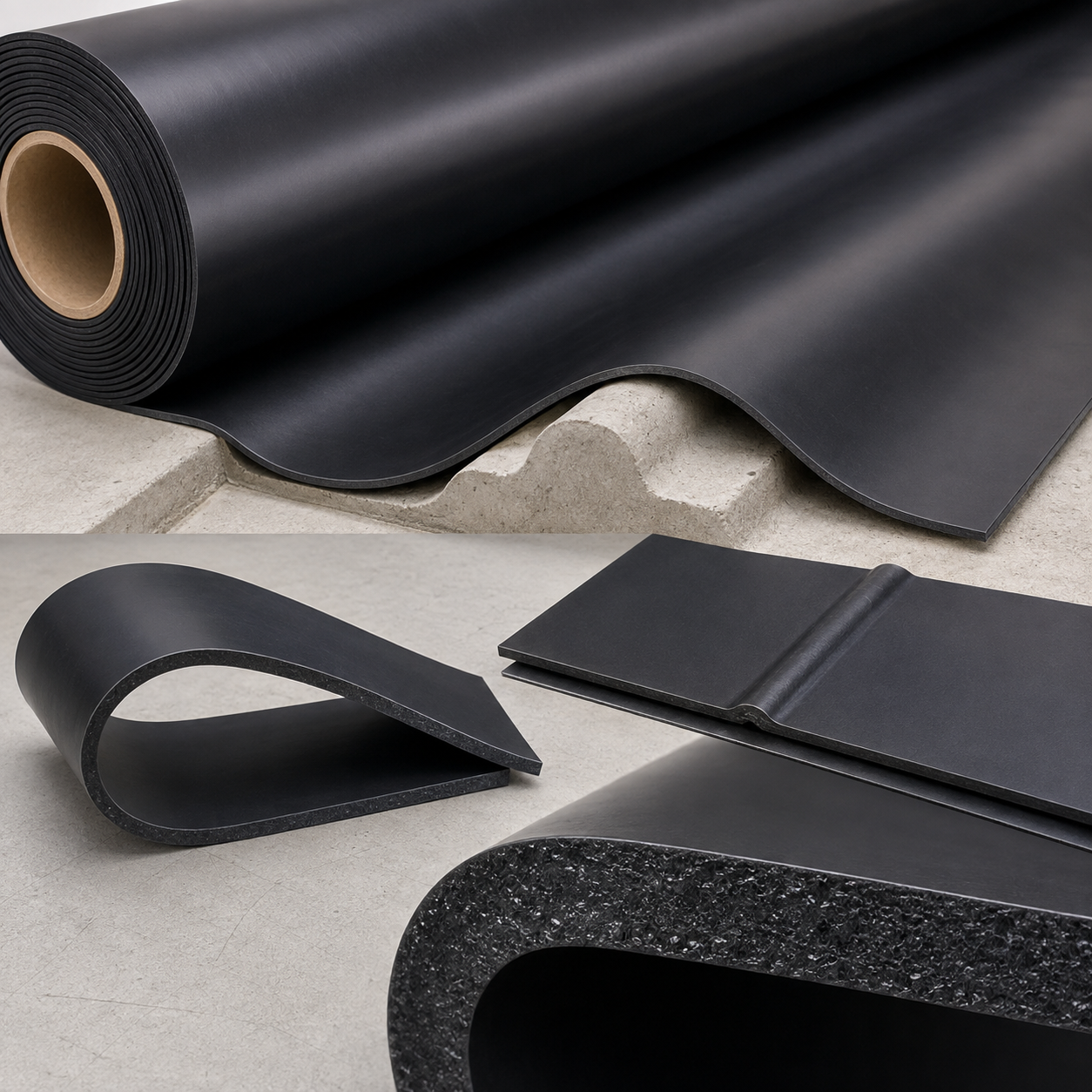
Containment
High elongation and flexibility for projects where adaptation to the subgrade is prioritized.
Defining a geomembrane requires reviewing polymer, thickness, smooth or textured finish, interface friction, deformation capacity, and joining method. The final solution depends on the engineering and complete layer system.
Share drawings, specifications, estimated quantities, and site conditions so the applicable alternative can be reviewed before quoting.
Project integration
Before deployment, the support, slopes, anchor trenches, and penetration locations are reviewed. This coordination organizes panels, reduces interferences, and keeps areas for executing and controlling welds accessible.
The geomembrane must be protected against puncture and construction loads according to the condition of the base and upper layers. Control of seams, repairs, and details must form part of the installation procedure rather than being left for later review.
Initial answers to organize the available information. The final definition must consider the particular conditions of each project.
Send us the application, location, quantities, and timeline so we can guide the product and required service scope.
Assess requirementThe product can be integrated with technical review, logistics coordination, and on-site execution according to the project scope.
On-site deployment, welding, detailing, and execution control.
Coordination of material, formats, quantities, and project delivery.
Review of layers, details, and compatibility before defining the solution.