



Smooth LLDPE geomembrane 2.0 mm
High elongation and flexibility for projects where adaptation to the subgrade is prioritized.
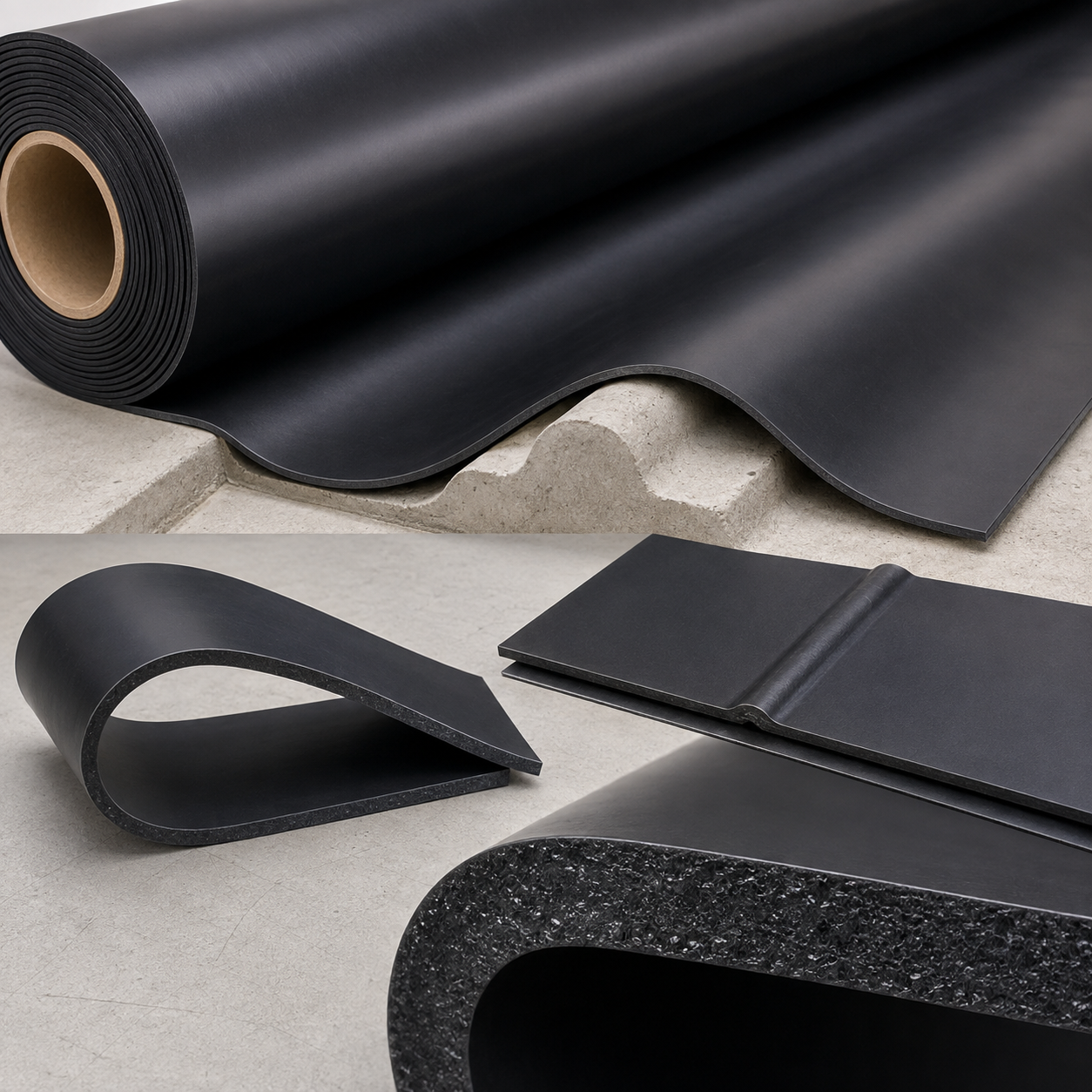
Geomembrane · GM-02
Technical description
The smooth 2.0 mm LLDPE geomembrane is a flexible impermeable barrier designed to adapt to broad geometries, level changes, and moderate support deformation. Its greater elongation compared with more rigid materials makes it suitable for reservoirs, channels, and ponds where adapting to the subgrade is an important design criterion.
The smooth finish facilitates deployment and continuous seams but provides a different interface condition from a textured geomembrane. Slopes, confinement, and adjacent materials must therefore be reviewed. The 2.0 mm thickness provides a robust section for systems subject to mechanical demands, provided ground preparation, protection, and details are resolved as part of the complete solution.
Reference sheet
Specifications
- Material
- Linear low-density polyethylene (LLDPE)
- Nominal thickness
- 2.00 mm
- Density
- ≥ 0.92 g/cm³
- Finish
- Smooth
- Tensile strength
- ≥ 29 kN/m (ASTM D6693)
- Elongation at break
- ≥ 800 % (ASTM D6693)
- Permeability
- < 1 × 10⁻¹³ cm/s
Use criteria
Recommended application
Large reservoirs, agricultural ponds, conveyance channels, and hydraulic works on irregular subgrades thanks to its high elongation.
Relevant characteristics
Product contribution
- Flexibility for complex geometries.
- High elongation capacity.
- Weldable panels for continuous barriers.
Typical uses
System applications
- Agricultural reservoirs
- Large ponds
- Conveyance channels
- Hydraulic works
Selection criteria
Required information
- Geometry, radii, and expected settlement.
- Contained fluid and exposure condition.
- Supporting surface and mechanical protection.
- Quantity takeoff, access, and deployment sequence.
Installation and coordination
Execution considerations
Installation begins with receiving and reviewing the support. The surface must allow deployment without localized stresses, forced folds, or damage from protruding elements. Panels are distributed considering geometry, slopes, anchor trenches, and the intended seam direction. Handling is also planned to avoid dragging that could damage the sheet.
Welding and repairs must use LLDPE-compatible procedures and controls appropriate to the project. Transitions with pipes, walls, or structures require specific pieces and finishes. An accurate quote requires area, drawings, fluid type, ground condition, thicknesses, access, project schedule, and requested quality documentation.
Frequently asked questions
Before requesting a quotation
- What is the practical difference compared with an HDPE geomembrane?
- LLDPE offers greater flexibility and elongation, while HDPE is often selected for its rigidity and performance in certain chemical or mechanical applications. The choice depends on geometry, fluid, and project engineering.
- Is it recommended for steep slopes?
- It can be used on inclined surfaces, but the smooth finish and interface conditions must be assessed. When sliding control is critical, a textured surface or another layer configuration may need to be studied.
- What does an installed solution include?
- The scope may include supply, logistics, roll distribution, deployment, seams, details, repairs, and control records. Final activities are established according to drawings, specifications, and actual site conditions.
Next step
Confirm compatibility before purchasing
We review application, quantities, supply format and installation requirements.