




Prevent delays and deliveries the site cannot receive
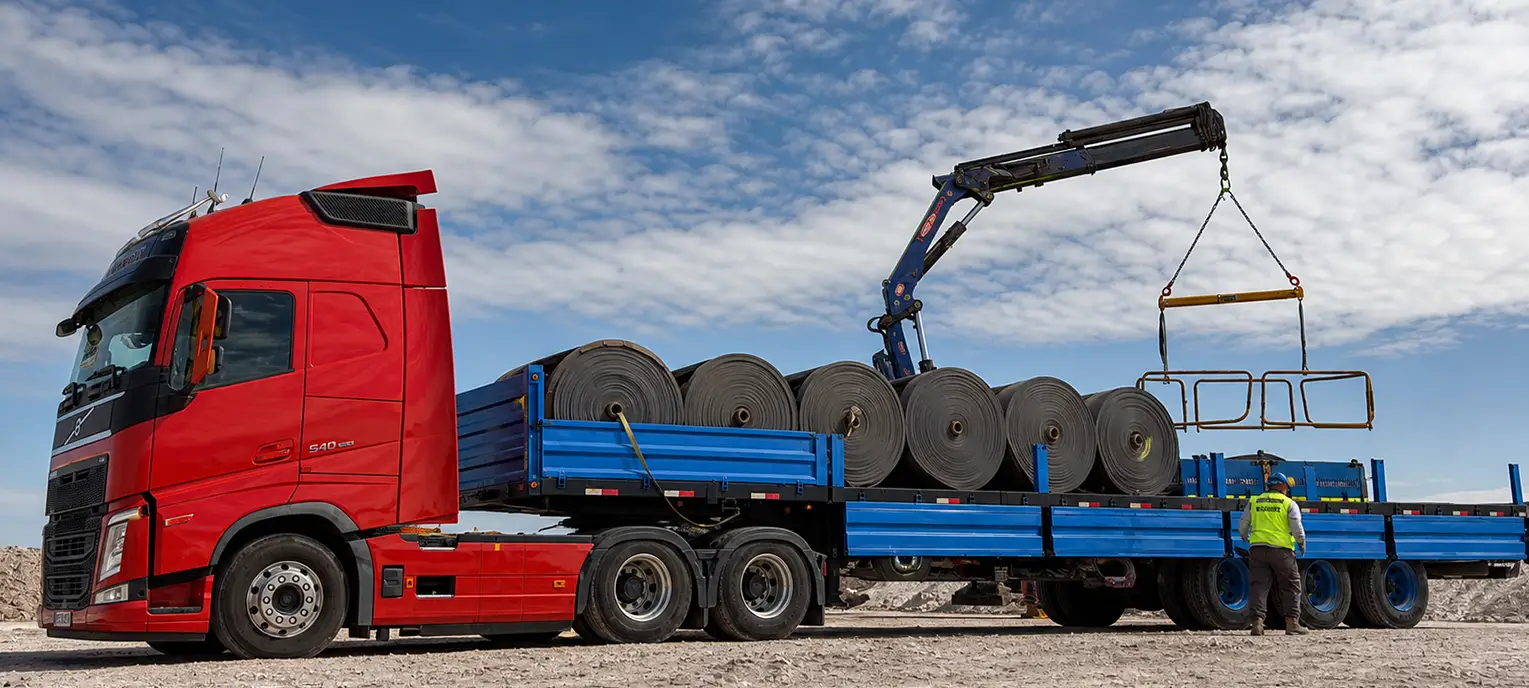
Transporting material is only one part of the process. A geomembrane roll, a long pipe, or a consolidated load requires access, unloading equipment, storage areas, and a receiving window compatible with the site.
GEOALISI coordinates these variables with the material-use sequence. The objective is to avoid poorly timed deliveries, loads that are difficult to receive, and materials occupying space before the corresponding work area is ready.
The service is intended for procurement, contract administrators, and site teams that need unified coordination between supply, transport, and receiving. The proposal defines responsibilities and control points so every participant knows when to dispatch, receive, unload, and release the load.
Service scope
- Planning of full or partial shipments according to actual progress in each work area.
- Consolidation and identification of loads by material, batch, priority, or destination.
- Coordination of transport, schedules, and receiving windows included in the proposal.
- Alignment of access routes, storage areas, and available unloading equipment.
- Tracking and agreed documentation to support each delivery.
Logistics aligned with actual project progress
The service is intended for remote sites, linear projects, bulky materials, and schedules with successive work areas. In these projects, a delivery must respond both to the schedule and to actual receiving and unloading capacity.
In mining, access and schedule restrictions are considered; in agriculture, irrigation windows; and in infrastructure, the progress of other disciplines. For each case, we review origin, destination, volume, weight, route, unloading, storage, and sequence of use.
When material must be purchased before use, logistics can be integrated with storage and partial shipments. This allows the site to receive only what it can handle and use, while the remainder stays identified and available for the next work area.
How we work
- We review origin, destination, route, access restrictions, and required dates.
- We organize and identify loads according to their sequence of use.
- We coordinate receiving, unloading equipment, and storage areas.
- We record deliveries to maintain the defined traceability.
Preguntas frecuentes
When is specialized logistics advisable?
When the project receives bulky materials, has restricted access, operates successive work areas, or needs partial deliveries coordinated with the project schedule.
Does the service include transport?
It can. The proposal identifies responsibilities for transport, coordination, unloading, receiving, and storage to avoid gaps between participants.
What problems does advance coordination prevent?
It reduces rejected or out-of-sequence deliveries, transport waiting times, unloading without available equipment, and materials sitting idle before the work area can use them.
Can it be coordinated with storage and partial deliveries?
Yes. It can integrate receiving, identification, storage, and staged shipments to support progress across work areas.
Prevent logistics from becoming a project delay
Integrate supply, transport, receiving, and unloading through coordination compatible with the actual access, resources, and dates of each work area.