


Roofs
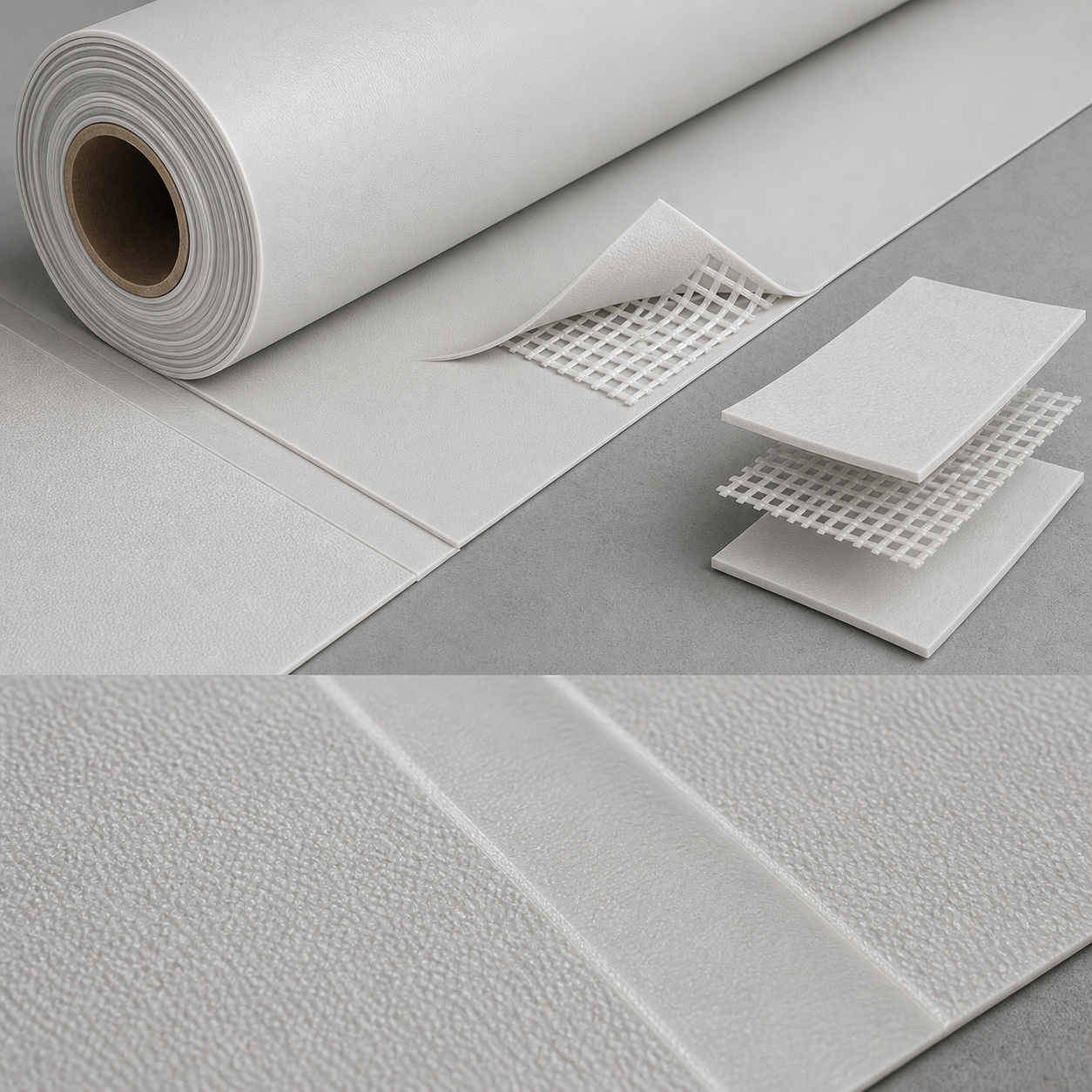
TPO membrane 1.2 mm
Polyester-reinforced thermoplastic polyolefin, reflective and hot-air weldable.

Waterproofing for roofs and structures
Synthetic systems for waterproofing industrial and commercial roofs and hydraulic works.
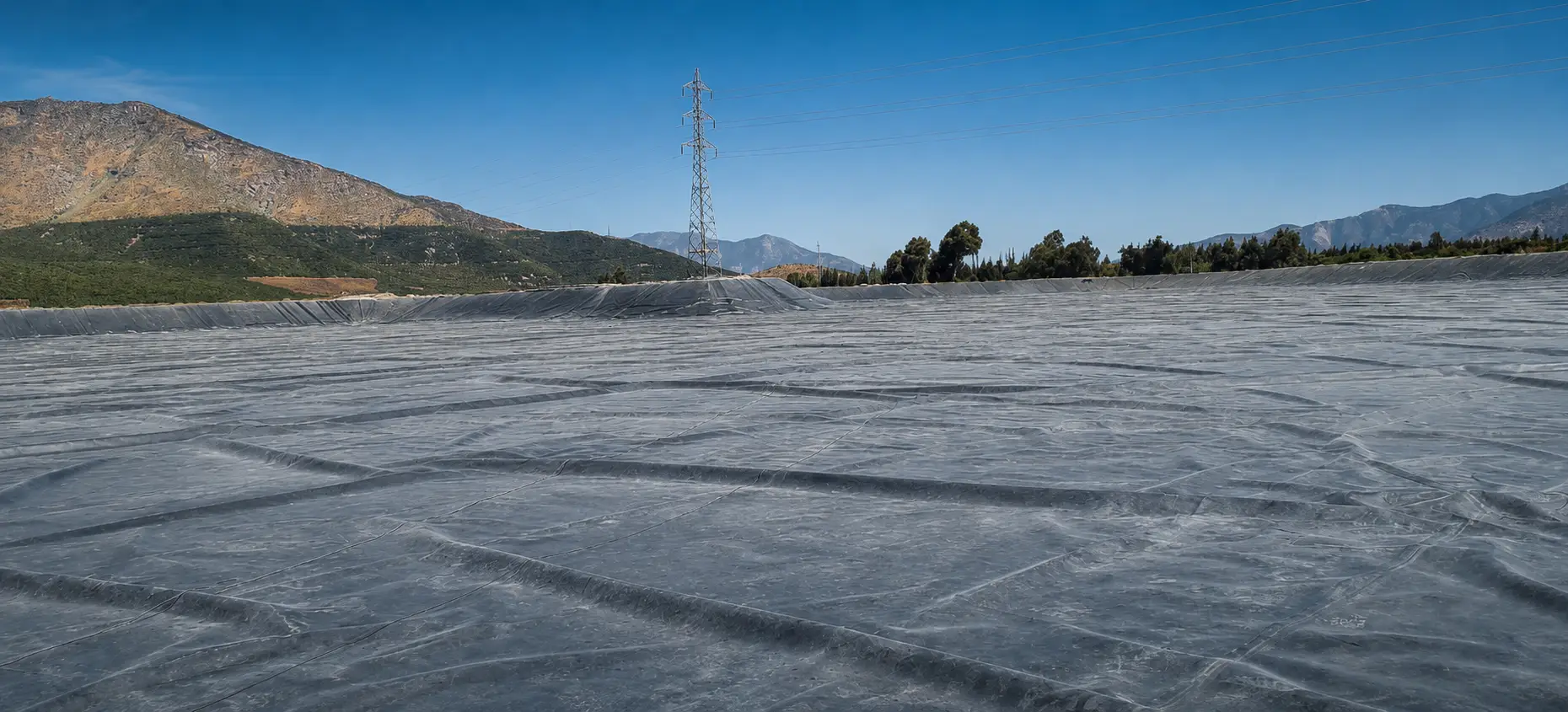
Each polymer requires details, joints, and layers compatible with its application
EPDM, TPO, and PVC membranes provide waterproofing with different joining methods, flexibility levels, and exposure conditions. The appropriate alternative depends on use, geometry, support, and how edges, drains, and penetrations will be resolved.
Performance is built as a system: base preparation, vapor barrier where applicable, insulation, fasteners, adhesives, welds or seals, and finishes. Compatibility between components is as important as the main sheet.
Review each data sheet for properties, formats, and application criteria. Availability and configuration are confirmed for each project.
Roofs
Polyester-reinforced thermoplastic polyolefin, reflective and hot-air weldable.
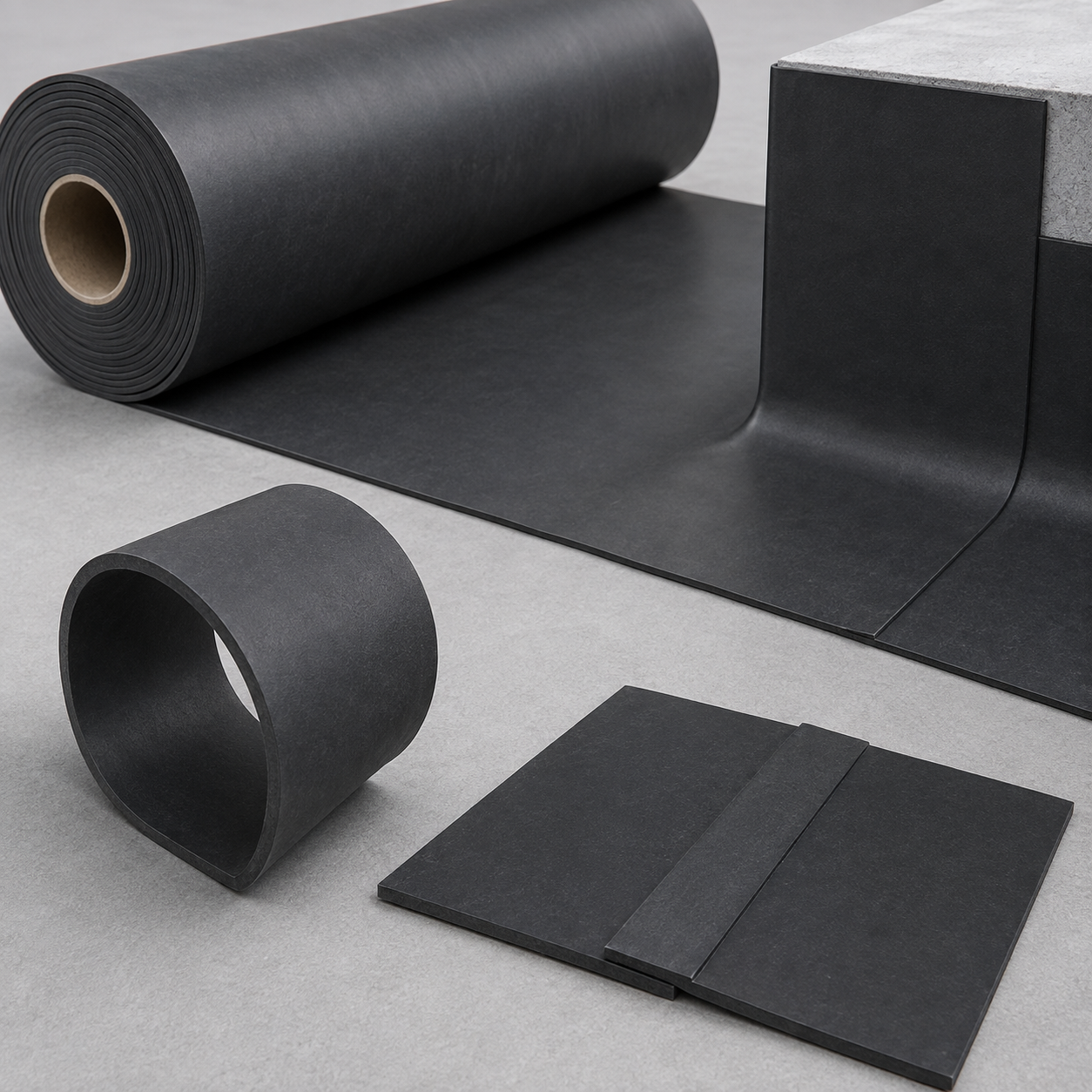
Durability
Ethylene propylene diene rubber resistant to UV, ozone, and extreme temperatures.
Comparison must consider the complete system, support compatibility, joining method, exposure level, and ease of resolving details. Thickness is defined together with these variables, not as the sole criterion.
Share drawings, specifications, estimated quantities, and site conditions so the applicable alternative can be reviewed before quoting.
Project integration
Before installation, slopes, water drainage, wall transitions, level changes, equipment, and penetrations are reviewed. These points determine pieces, reinforcement, and sequences that cannot be improvised after the membrane is laid.
The fastening and joining method must match the polymer and support. Execution is coordinated with other disciplines to avoid later penetrations and keep joints requiring inspection or testing accessible.
Initial answers to organize the available information. The final definition must consider the particular conditions of each project.
Send us the application, location, quantities, and timeline so we can guide the product and required service scope.
Assess requirementThe product can be integrated with technical review, logistics coordination, and on-site execution according to the project scope.
Preparation, installation, and detail resolution with EPDM or TPO.
System definition according to support, exposure, and project requirements.
Coordination of membranes and components compatible with the defined system.